

Modern trading environments are defined by speed, precision, and relentless complexity. Today’s trading desks operate across execution platforms, market data terminals, research tools, compliance systems, internal messaging, and risk dashboards (often simultaneously).
While fintech innovation has dramatically improved how quickly firms can build and deploy trading applications, many organizations are discovering that infrastructure gains alone don’t translate into smoother daily workflows for traders themselves. A recent industry article, “Leading Platforms and Frameworks to Support Trading Application Development,” highlights how capital markets firms are increasingly turning to specialized frameworks, low-code platforms, and interoperability layers to modernize their technology stacks.
These tools address real challenges in scalability, performance, and development velocity. They also expose a deeper issue: even the most advanced trading platforms still leave traders navigating fragmented interfaces and disconnected systems throughout the day.
Faster Frameworks, Familiar Friction
As the article notes, modern trading frameworks are designed to “accelerate application development by providing reusable components and standardized integration patterns.” Legacy monolithic systems struggled to keep pace with evolving market structures, regulatory demands, and client expectations. Modular frameworks and low-code environments allow firms to iterate faster, respond to market changes, and deploy new functionality with far less overhead.
However, this acceleration largely benefits development teams rather than end users. While applications are built and updated more efficiently, traders still operate across multiple independent tools that rarely share context with one another.
Execution systems may be technically integrated with risk engines or market data feeds, yet from the trader’s perspective, those connections often require manual navigation, reauthentication, or constant tab switching. The result is a familiar paradox: faster systems, but unchanged cognitive load.
Capital Markets Specialization Helps (To A Point)
The article also emphasizes the value of platforms purpose-built for capital markets, noting that domain-specific solutions outperform generic enterprise tooling. This is undeniably true. Trading platforms that understand FIX protocols, latency sensitivity, order lifecycles, and regulatory constraints provide capabilities that general-purpose software simply cannot match.
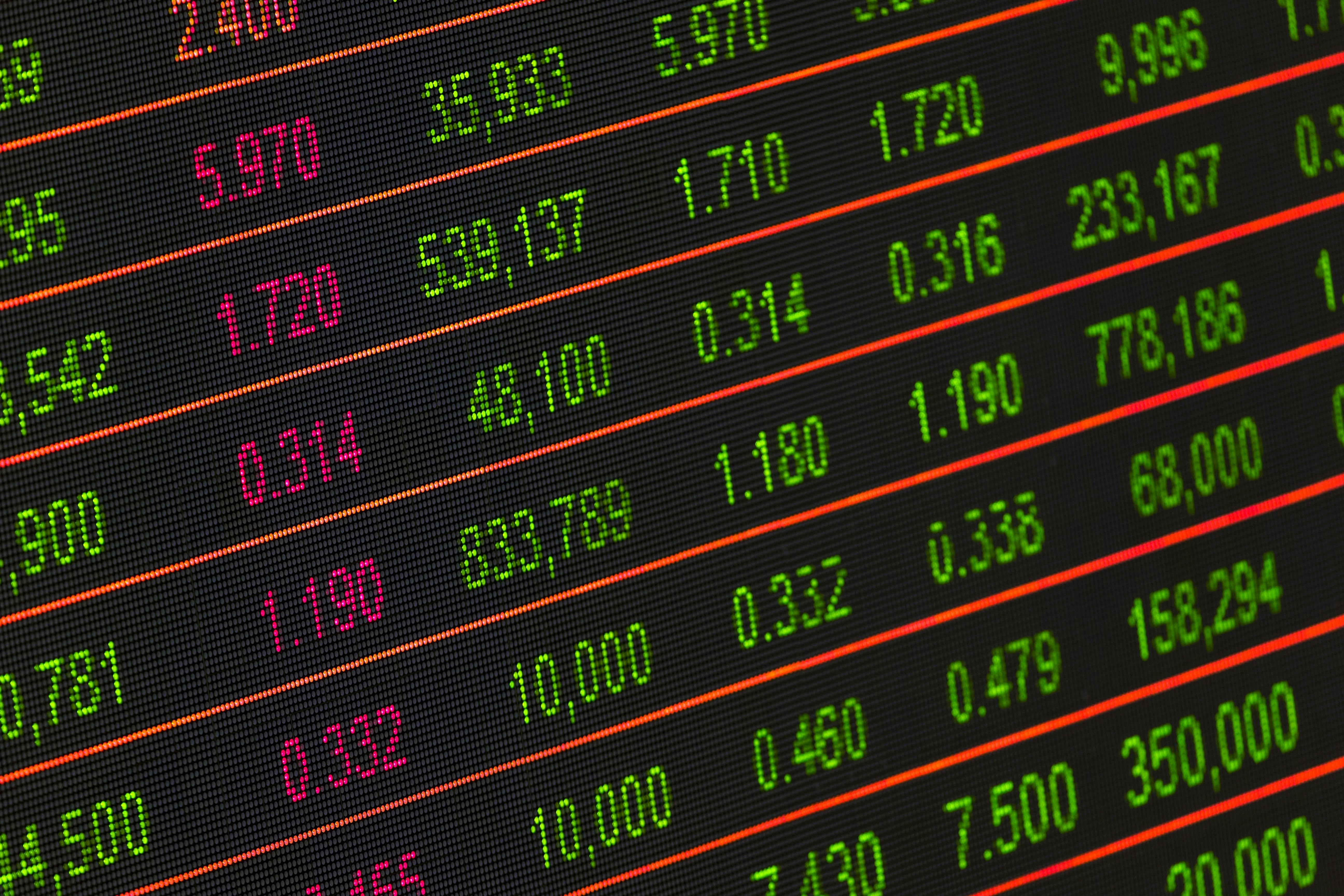
Yet specialization alone doesn’t eliminate fragmentation. Even best-in-class trading platforms typically coexist with CRM systems, research portals, internal chat tools, compliance archives, and analytics dashboards. Each tool may be excellent in isolation, but traders are still responsible for stitching together information across them in real time.
As one section of the article suggests, the industry has made enormous progress in what tools can do—but far less in how people move between them. Human context switching remains an unaddressed cost in trading operations, increasing error risk and slowing decision-making in moments where speed and clarity matter most.
Where the Trading Desktop Falls Short
Many firms have attempted to solve this problem at the desktop level, often by embedding applications into unified portals or browser-based dashboards. The article references efforts to centralize workflows through front-end tooling, but these approaches frequently inherit the limitations of the browser.
Traditional browsers were never designed for regulated, multi-system trading workflows. They lack native awareness of task context, struggle with secure cross-application communication, and expose firms to unnecessary security risk when used as the primary interface for sensitive financial operations.
Traders end up managing dozens of tabs that appear unified on the surface but operate independently beneath the surface. In practice, this means alerts are missed, data must be re-entered, and critical information arrives too late or in the wrong place.
The Missing Layer in Trading Infrastructure
This is where the Here enterprise browser for financial workspaces comes into play. Rather than acting as another trading platform, it acts as a layer that allows existing platforms to work together in a way that reflects how traders actually operate.
HERE’s enterprise browser reimagines the desktop as a task-oriented environment rather than a collection of isolated tabs. For trading teams, this means execution systems, market data, research tools, and communications can be organized into purpose-built workspaces that appear together when needed and share awareness through secure signaling.
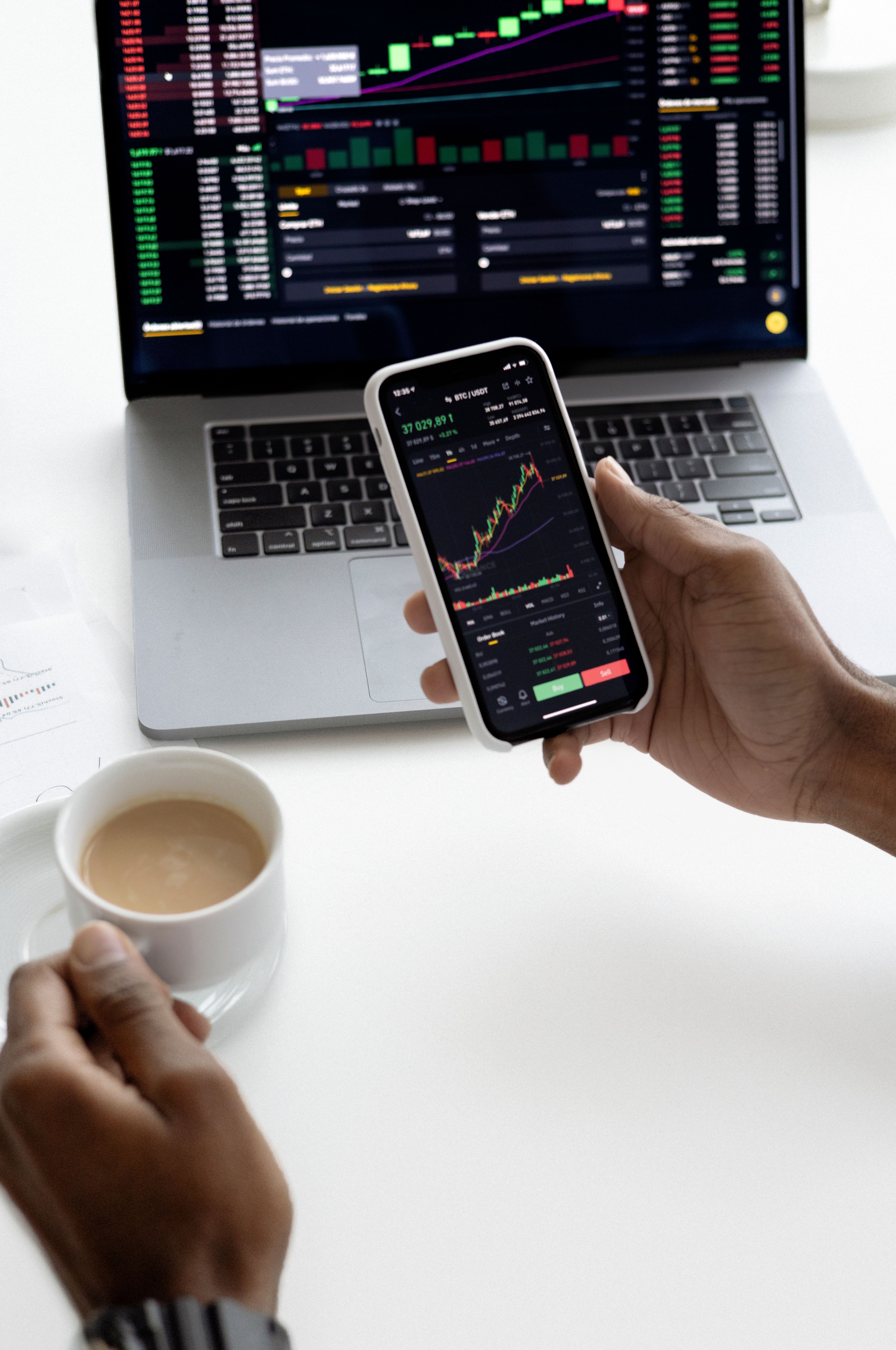
Crucially, this approach avoids the security and performance tradeoffs associated with embedded browser solutions. HERE does not rely on iFrames, allowing it to maintain native security controls while supporting interoperability across SaaS and web-based trading tools.
For regulated environments, that distinction matters. By functioning as connective tissue rather than a replacement layer, HERE enables trading firms to preserve their existing technology investments while dramatically reducing the friction traders experience throughout the day.
From Faster Platforms to Smarter Workflows
The fintech ecosystem supporting trading has never been more advanced. Development frameworks are faster, platforms are more specialized, and market access is more sophisticated than ever. Yet many firms are realizing that true competitive advantage now lies beyond infrastructure and instead lives at the intersection of human focus, system coordination, and secure workflow design.
Reducing friction at the point of decision-making is no longer a productivity luxury; it’s a risk management imperative. As trading environments continue to grow in complexity, firms that rethink how their people interact with technology will be best positioned to move faster, operate safer, and scale smarter. For trading and fintech leaders evaluating their next phase of desktop and workflow evolution, the question may be whether the systems they already rely on are being connected in the right way.